
How to Protect Your Lawn from This Weekend's Freeze
- Arrowhead Lawns

- Jan 21
- 3 min read
A sudden freeze over the weekend can catch many homeowners off guard, leaving their lawns vulnerable to damage. If you’re wondering, will this weekend’s freeze hurt my lawn? the answer depends on how prepared you are. Taking the right steps now can help your grass survive the cold and stay healthy through the season. This guide will walk you through practical ways to protect your lawn, so you don’t have to worry about costly repairs later.
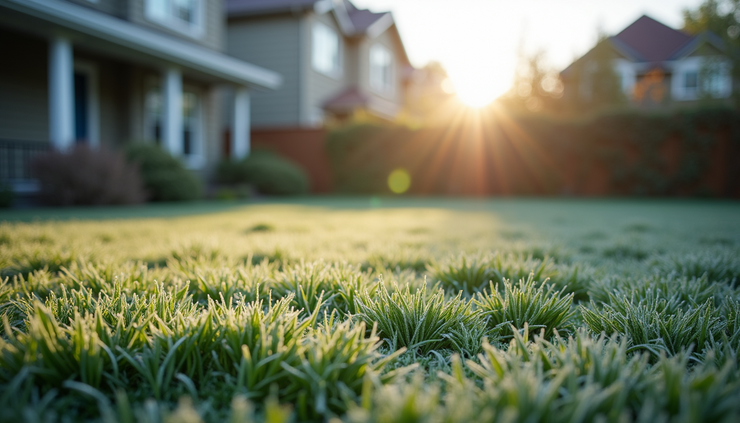
Why This Weekend's Freezes Can Damage Your Lawn
When temperatures drop below freezing, the water inside grass blades and soil freezes. This causes ice crystals to form, which can rupture plant cells and damage roots. Lawns that are actively growing or recently treated are especially sensitive. If you walk on frozen grass, it can break and bruise easily, leading to brown patches that take weeks to recover.
Many homeowners don’t realize that staying off the lawn during freeze (use curbs instead) is one of the simplest ways to avoid damage. Walking on frozen grass compresses the blades and soil, making it harder for your lawn to bounce back.
Steps to Protect Your Lawn Before the Freeze
1. Water Your Lawn Early
Watering your lawn a day before the freeze can actually help. Moist soil holds heat better than dry soil, which protects roots from freezing. Avoid watering during or after the freeze, as this can create ice layers that harm grass.
2. Avoid Lawn Treatments Right Before Freeze
If you have scheduled Lawn Treatments with us or any fertilizing planned, try to complete them at least a week before the freeze. Fresh treatments can make grass more vulnerable to cold damage. If you’re unsure, contact your lawn care provider (like Arrowhead Lawns) for advice tailored to your lawn’s condition.
3. Mow Your Lawn Properly
Keep your grass at a moderate height before the freeze. Cutting it too short exposes roots and soil, increasing frost damage risk. On the other hand, letting grass grow too long can trap moisture and ice, which also harms the lawn.
4. Remove Debris and Leaves
Clear fallen leaves, sticks, and other debris from your lawn. We can do this for you! These can trap moisture and cause uneven freezing, leading to patchy damage. A clean lawn surface helps cold air circulate evenly.
What to Do During the Freeze
Stay Off the Lawn
This is critical. Walking on frozen grass breaks the blades and compacts the soil. Instead, stay off lawn during freeze (use curbs instead) to protect your grass. If you need to access parts of your yard, use walkways or curbs to avoid direct contact.
Cover Sensitive Areas
If you have young grass or newly seeded patches, cover them with breathable fabric or frost cloths overnight. Avoid plastic sheets, which trap moisture and can cause more harm.
After the Freeze: How to Help Your Lawn Recover
Inspect Your Lawn Carefully
Once temperatures rise, check your lawn for signs of damage like brown patches or brittle grass. Don’t rush to rake or mow immediately; wait until the grass starts to green up again.
Avoid Heavy Traffic
Keep foot traffic low for a few days after the freeze. This gives your lawn time to recover without additional stress.
Resume Lawn Treatments Gradually
If you paused your Lawn Treatments with us before the freeze, schedule a follow-up treatment to support recovery. If you still don't have a lawn treatment specialist; Arrowhead Lawns offers tailored plans to help your lawn bounce back stronger after cold spells.

How Arrowhead Lawns Can Help You Prepare
Working with a trusted lawn care company like Arrowhead Lawns ensures your lawn gets the right care before and after freezes. Their experts can:
Assess your lawn’s health and recommend the best treatments
Schedule timely fertilization and aeration to strengthen roots
Provide advice on watering and mowing tailored to your climate
Help you develop a freeze protection plan that fits your schedule
Choosing Safe Lawn practices with Arrowhead Lawns means you reduce the risk of freeze damage and keep your yard looking great year-round.
Final Tips to Remember
Water your lawn before the freeze, not during or after
Avoid walking on frozen grass; use curbs or paths instead
Complete lawn treatments well before cold snaps
Cover vulnerable areas with frost cloths overnight
Let your lawn recover naturally before heavy use or mowing
Comments