
Get Your Yard Spring Ready With These ESSENTIAL Garden Bed And Landscaping Tips
- Shilah Seale
- Feb 25
- 4 min read

Spring is the perfect time to refresh your yard and prepare your garden beds for a season of growth and beauty. Waiting too long to start your spring yard work can lead to a rush of tasks and missed opportunities to protect your plants and lawn. By acting now, you can beat the spring rush, prevent weeds before they take hold, and get your landscaping projects done while schedules are still open. This guide covers everything you need to know about garden bed cleanups, pre-emergent weed control, landscaping options, pruning, mowing, irrigation winterization, and lawn fertilization to keep your yard healthy and vibrant all year long.

Why Garden Bed Cleanups Matter in Early Spring
Garden bed cleanups are essential to prepare your yard for the growing season. Removing dead leaves, old mulch, and debris helps prevent pests and diseases from taking hold. Cleaning your beds early also gives you a clear view of what plants need pruning or replacing. Starting this task now means you avoid the hectic spring rush when landscapers and garden centers get busy.
Remove debris and old mulch to allow soil to breathe
Check for signs of pests or disease before they spread
Prepare beds for fresh mulch or compost to improve soil health
Identify plants needing pruning or replacement early in the season
Taking care of garden bed cleanups now sets a strong foundation for healthy plants and a beautiful yard throughout spring and summer.
Catch Spring Weeds Before They Germinate with Pre-Emergent
Weeds can quickly take over your garden beds and lawn if left unchecked. Applying a pre-emergent herbicide in early spring stops weed seeds from germinating, saving you time and effort later. This treatment targets common spring weeds like crabgrass before they appear.
Apply pre-emergent when soil temperatures reach about 55°F
Focus on garden beds, lawn edges, and bare soil areas
Avoid disturbing the soil after application to maintain effectiveness
Combine with mulch to further suppress weed growth
By catching weeds early, you protect your plants and keep your yard looking neat and healthy.
Landscaping Projects to Start Now While Schedules Are Open
Spring is a great time to start landscaping projects before the busy season fills up schedules. Whether you want to install new sod, add flagstone paths, lay pavers, build retaining walls, or install French drains, now is the time to plan and execute.
Sod installation: Get a lush, green lawn quickly by laying fresh sod
Flagstone and pavers: Create attractive walkways and patios that add value
Retaining walls: Control erosion and add structure to sloped areas
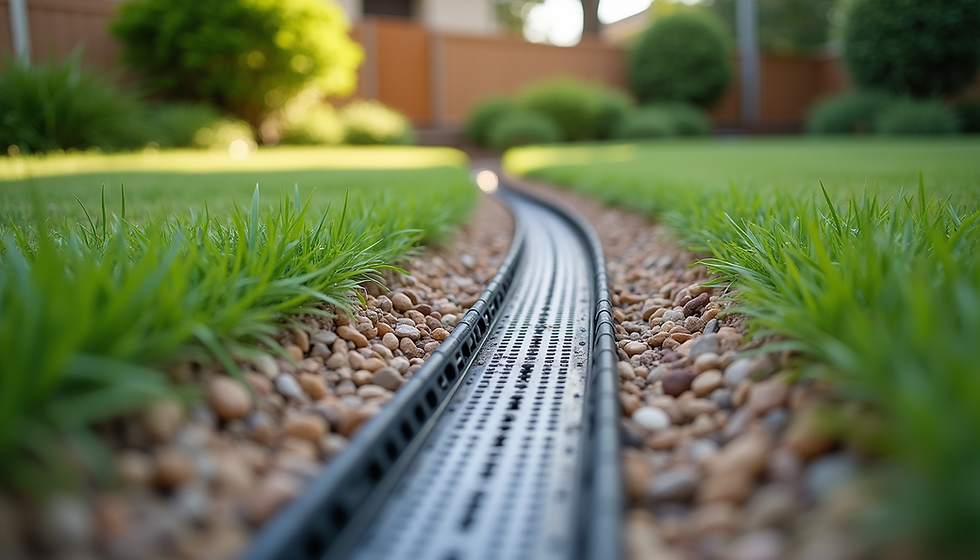
French drains: Improve drainage and prevent water damage to your yard
Starting these projects early means you enjoy your upgraded yard all season long without delays.
Keep Plants Healthy Year-Round with Pruning and Cutbacks
Pruning and cutbacks are vital to maintaining plant health and encouraging strong growth. Removing dead or overgrown branches improves air circulation and sunlight exposure, reducing disease risk.
Prune shrubs and perennials before new growth starts
Cut back ornamental grasses to promote fresh shoots
Remove dead or damaged branches promptly
Shape plants to maintain desired size and form
Regular pruning keeps your garden beds tidy and your plants thriving through every season.
Maintain a Healthy Lawn with Biweekly Fescue Mowing
Fescue grass requires consistent care to stay green and healthy. Mowing every two weeks during the growing season helps maintain the right height and encourages dense growth.
Set mower blades to 3-4 inches for fescue
Avoid cutting more than one-third of the grass height at a time
Keep mower blades sharp to prevent tearing
Remove clippings or mulch them to return nutrients to the soil
Regular mowing supports a thick, weed-resistant lawn that complements your garden beds.
Prepare Your Irrigation System with Winterization
Proper irrigation winterization protects your system from freeze damage and costly repairs. Draining water from pipes and sprinkler heads prevents cracking and leaks during cold months.
Shut off irrigation water supply before the first freeze
Use an air compressor to blow out remaining water from pipes
Insulate above-ground components to prevent freezing
Schedule winterization early to avoid last-minute rushes
Winterizing your irrigation system now saves money and ensures it works perfectly when spring arrives.
Control Weeds Effectively by Spraying with Glyphosate
For tough weed problems, spraying with glyphosate can be an effective solution. This non-selective herbicide kills unwanted plants down to the root, preventing regrowth.
Apply glyphosate on calm, dry days to avoid drift
Target weeds directly, avoiding desirable plants
Follow label instructions carefully for safe use
Use as part of an integrated weed management plan
Glyphosate helps keep your garden beds and lawn free from invasive weeds that compete with your plants.
Boost Lawn Health with Fertilizer for Fescue and Rye
Fertilizing your lawn in early spring gives fescue and rye grasses the nutrients they need to grow strong and resist stress.
Use a balanced fertilizer with nitrogen, phosphorus, and potassium
Apply according to soil test recommendations
Water lawn after fertilizing to help nutrients absorb
Avoid over-fertilizing to prevent runoff and damage
A well-fed lawn recovers faster from winter and stays lush throughout the growing season.
READY TO TAKE YOUR GARDEN BED AND LAWN TO THE NEXT LEVEL? CALL ARROWHEAD LAWN AND LANDSCAPE TO GET YOUR FREE ESTIMATE TODAY!


Comments